Kilkern wins place on £16M Stoke Highways Framework
3rd Jul 2024
Kilkern has achieved a triple success with appointment to three lots within Stoke-on-Trent City Council’s new £16M Highways Framework.
The Manchester-based civil engineering, highways infrastructure and utilities specialist, set-up in in 2011, has demonstrated strong growth since its foundation and has established itself as one of the North West’s leading regional contractors.
Kilkern secured its place on the framework on Lot 2A Civil Engineering (works up to £500k), Lot 2B Civil Engineering (works above £500k) and Lot 5 (Section 278 works).
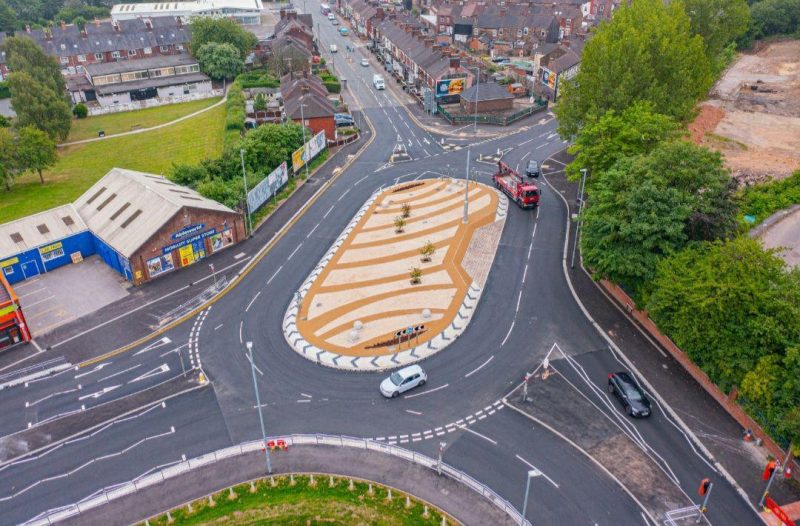
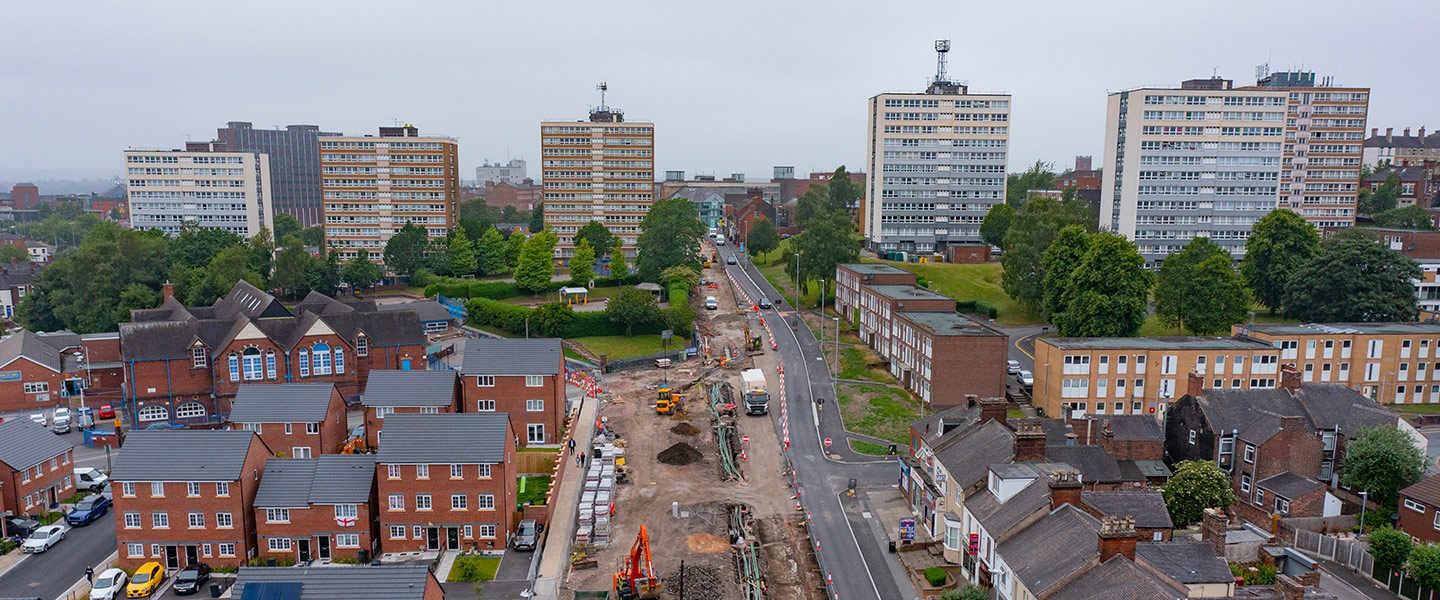
Across the three lots, works will include: vehicle access crossings; carriageway and footpath reconstruction; drainage and ducting installation; the construction of kerbs and paving areas; the construction of car parks; Section 38 works (forming new junctions and accesses to the public highway); Section 278 alterations to the existing highway; small elements of road marking; and the installation and removal of traffic management.

Patrick Rodgers, Commercial Manager, Kilkern believes that the appointment to the framework marks an important step in the business’s development.
“At Kilkern, we have made a significant investment in our people and equipment and have remained very clearly focused on building expertise and delivering high-quality civil engineering,” he said. “We are extremely pleased to have won a place on three lots – it’s a real achievement for the business and fantastic recognition of our continued commitment to excellence.
“We are looking forward to working closely with Stoke Council to help deliver schemes across the city.”
Highways have been identified as a key priority for Stoke-on-Trent Council which has announced projects to alleviate traffic congestion, improve road safety and promote sustainable transportation options.
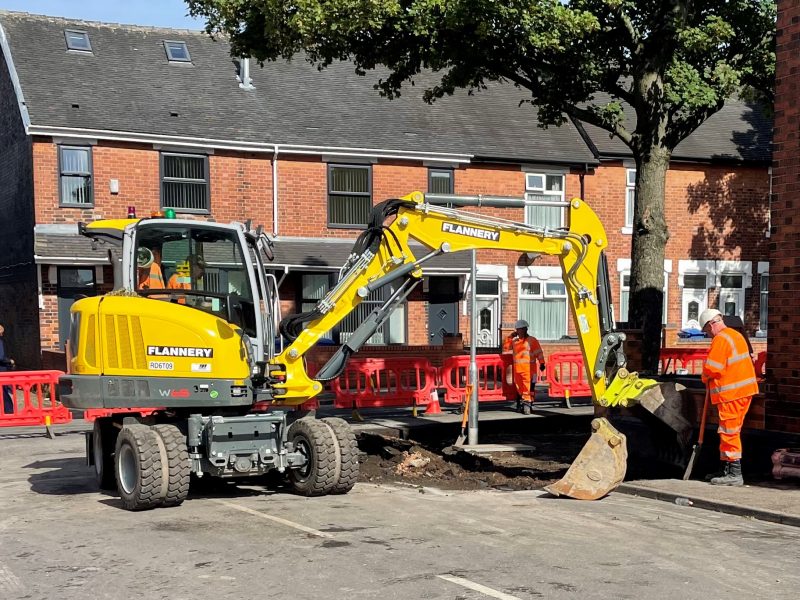
A recent council report emphasises the critical role of the transport network in daily life, stating: “The transport network is essential to almost every aspect of our daily lives. Very little happens without us needing to walk, cycle, use public transport, or a private vehicle.”
The four-year framework will run from 2024 to 2028.